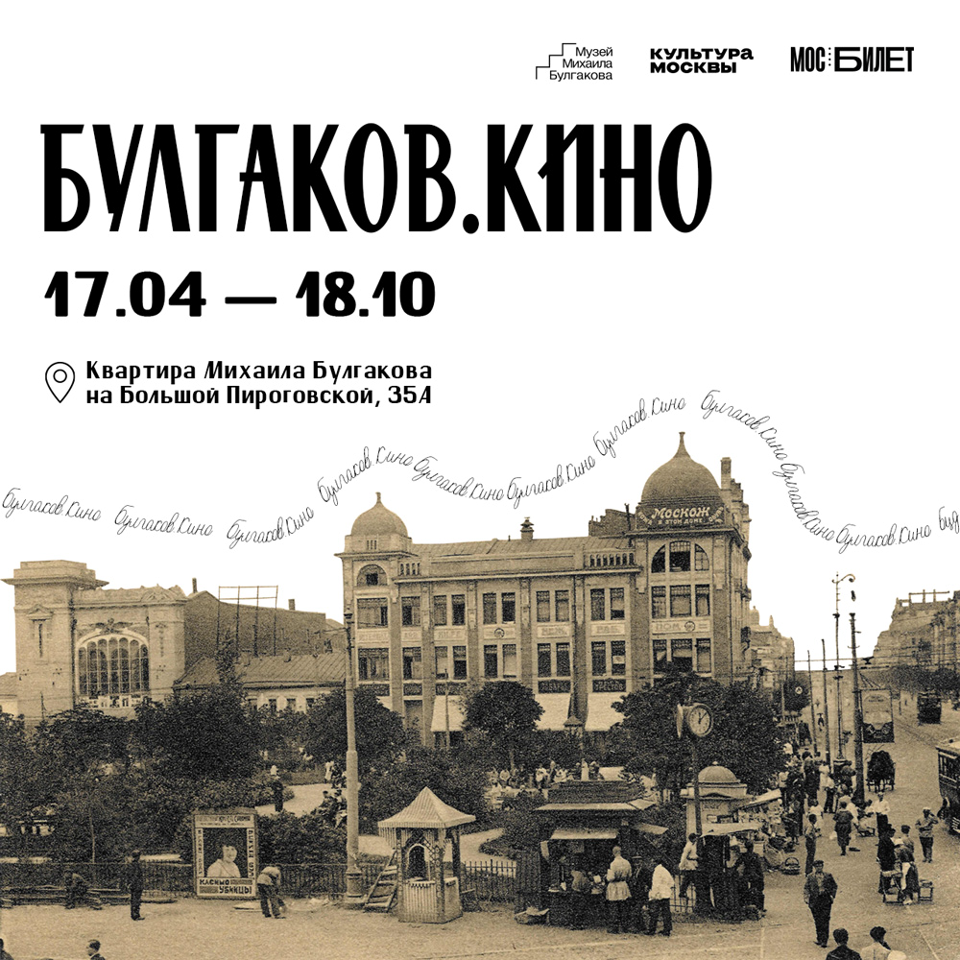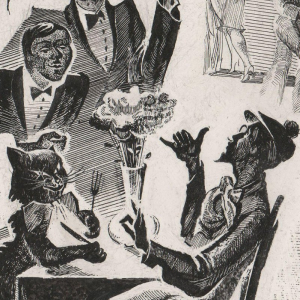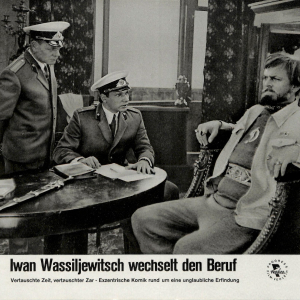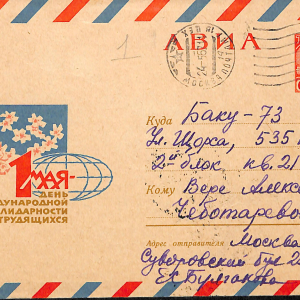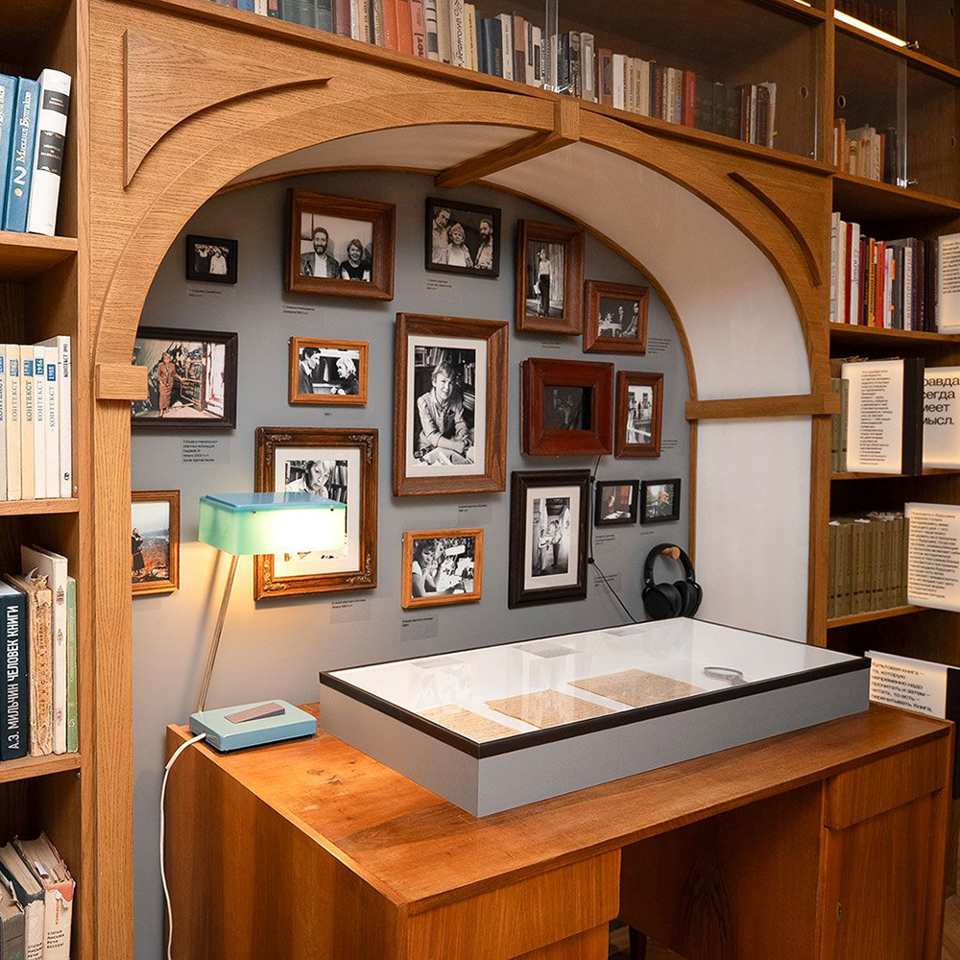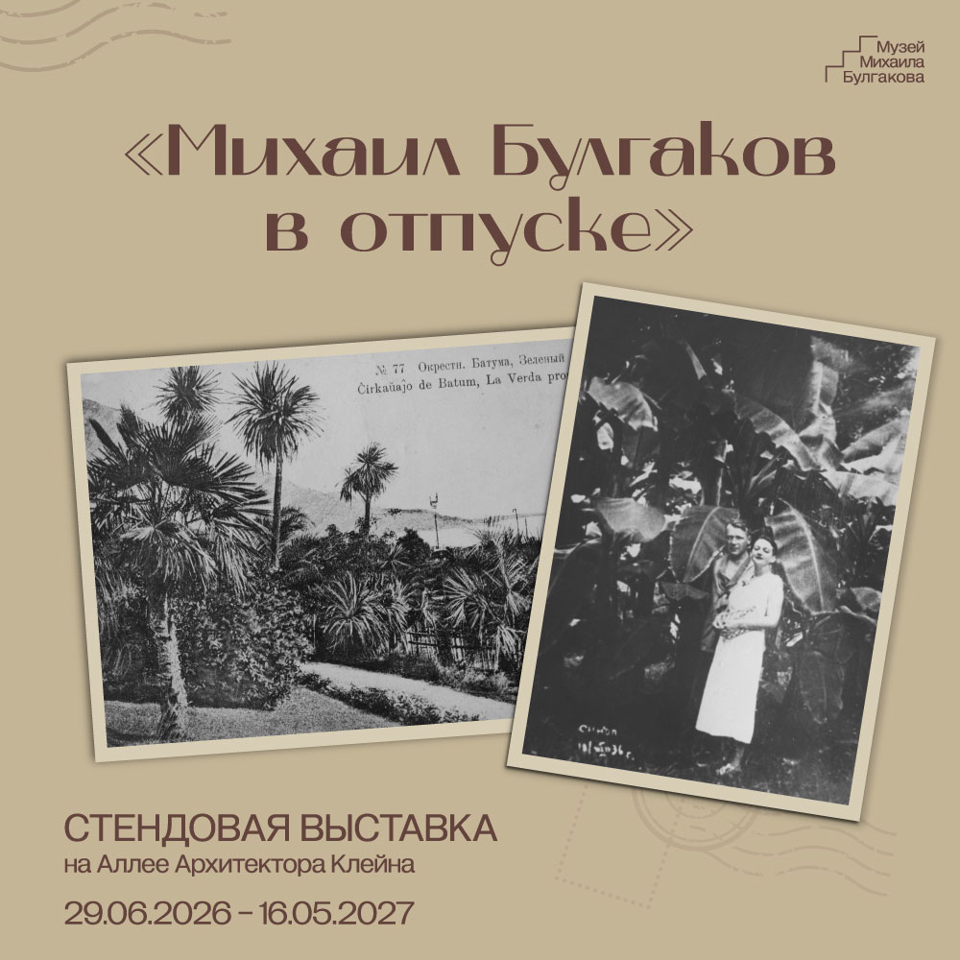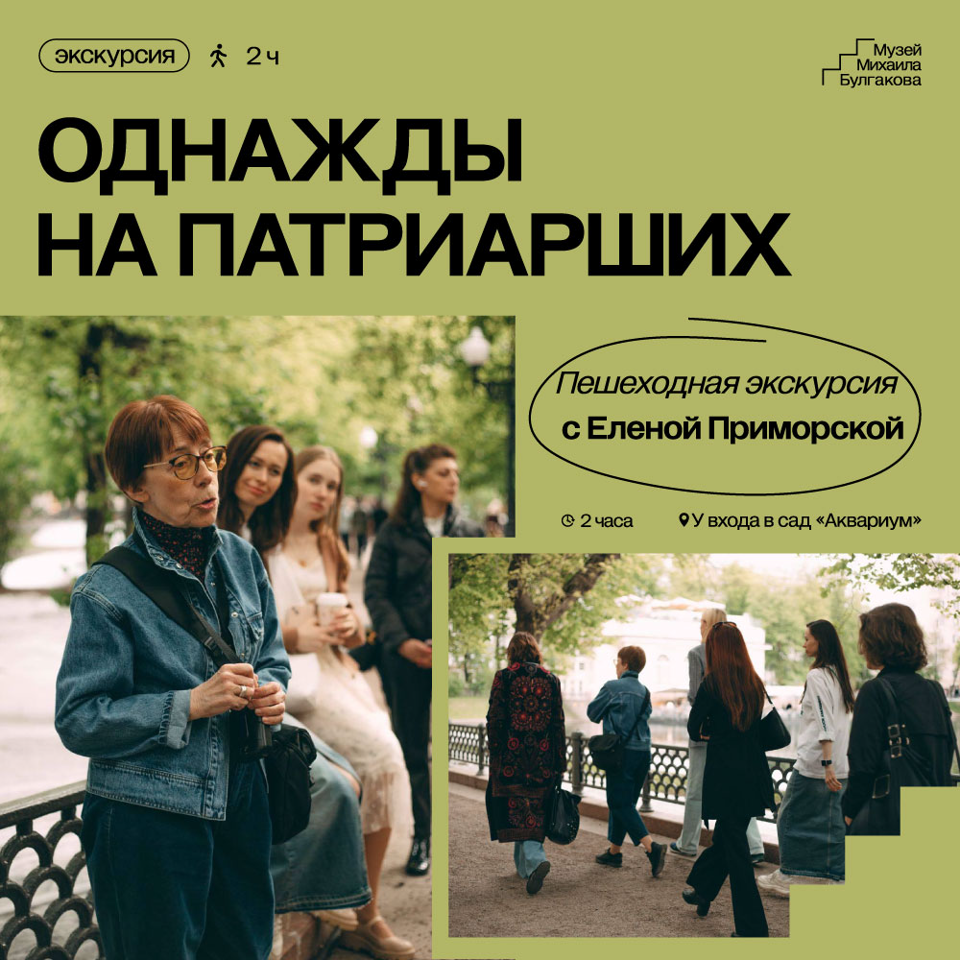


From 1911, the Nikitin brothers’ circus was based in the Garden, which was mentioned in the short novel Heart of a Dog — it was here that Dr. Bormenthal took Sharik. In 1926-1936 the Moscow Music Hall was located in the Garden (the building has not survived and the Theatre of Satire stands in its place). The Aquarium Garden and Music Hall probably provided inspiration for the Summer Garden and Variety Theatre in The Master and Margarita. It was there that Woland put on the famous black magic show. Bulgakov saw the Aquarium Garden every day through the kitchen window of the communal flat in house 10 on Bolshaya Sadovaya.
In the 1890s, the first Moscow electrical exhibition opened on the site of the future garden and shortly after, the owner of the garden, S. Malkiel, rented it out to entrepreneurs (M. Lentovsky, F. Tomas and others), one of whom was Charles Aumont, and in 1898, the garden was named the ‘Aquarium Garden’. Entertaining and cultural events were often held here and visitors could go up in a hot-air balloon, visit a photographer’s studio, an ice rink, a shooting range, a bowling alley and also the opera and theatre. The Garden is mentioned numerous times in Bulgakov’s works. In The Fatal Eggs, ‘In the Aquarium Garden, ablaze with neon advertisements and shining, half-naked women, the writer Lenivtsev’s revue Sons of Chickens was being played to great applause amongst the greenery of the open-air stage.’ In The Master and Margarita, Ivan Varenukha encountered Woland’s retinue in the lavatories in the Garden. The Garden is even mentioned in some of Bulgakov’s journalism (Chanson d’été and Travels in Crimea).
Point on the map
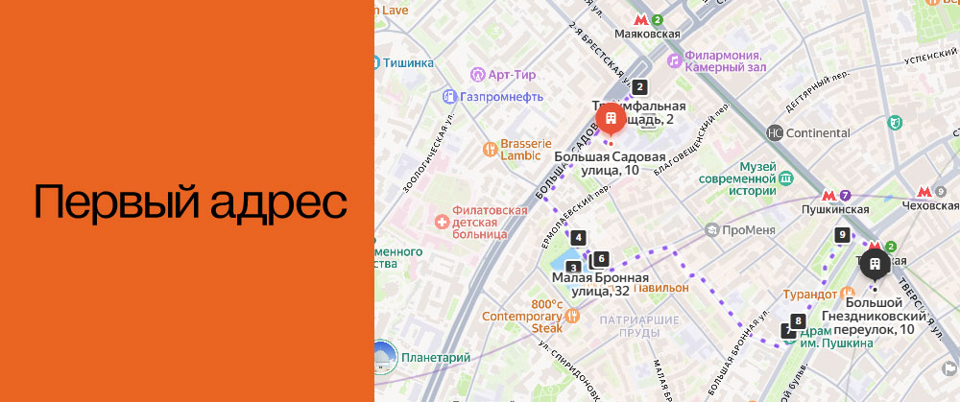
This map shows where the address sits and how it is tied into the project routes.
Routes
This point belongs to one or more routes. Open them as sequential walks rather than isolated cards.
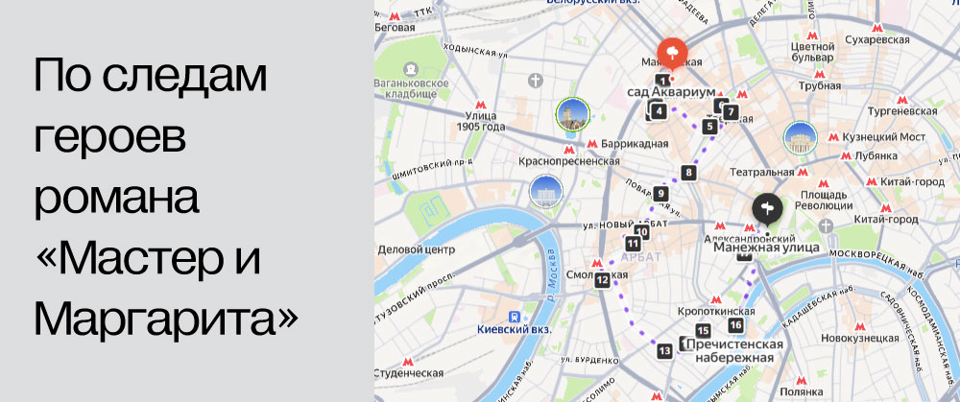
In the footsteps of the characters of The Master and Margarita
- Stop 1
- 5,52 km
- 4,5 h
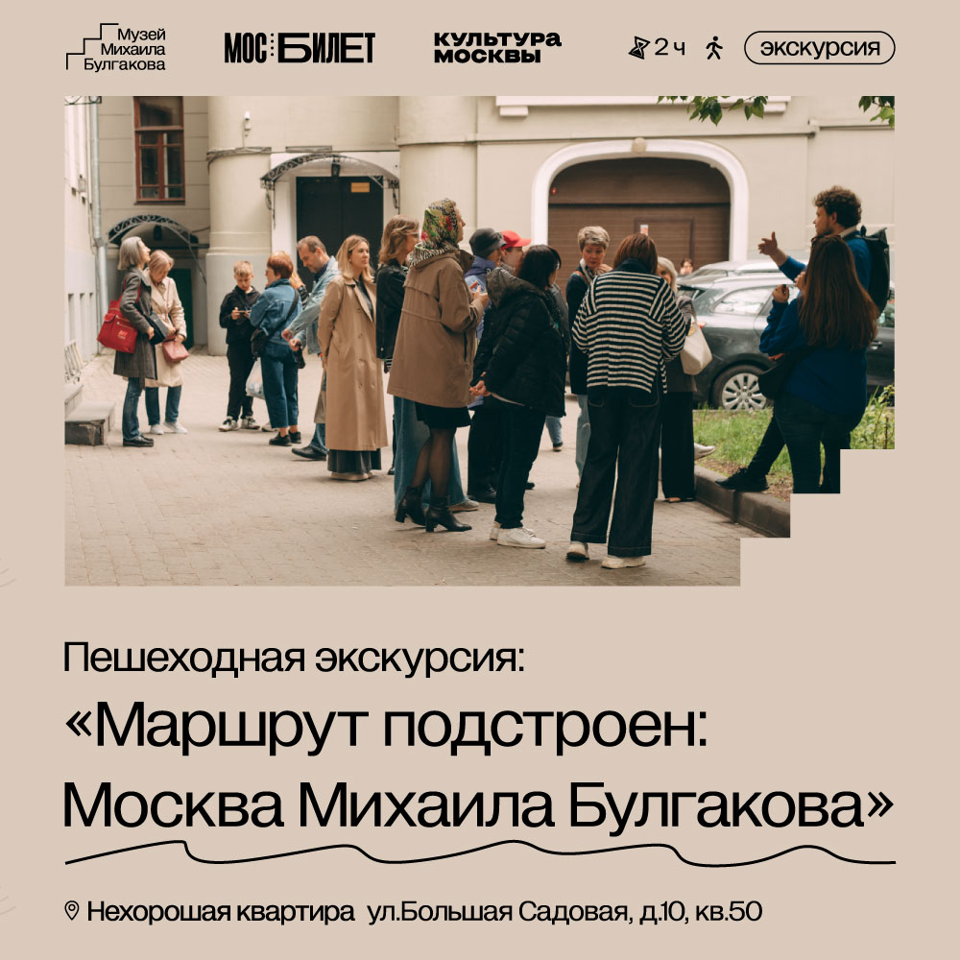
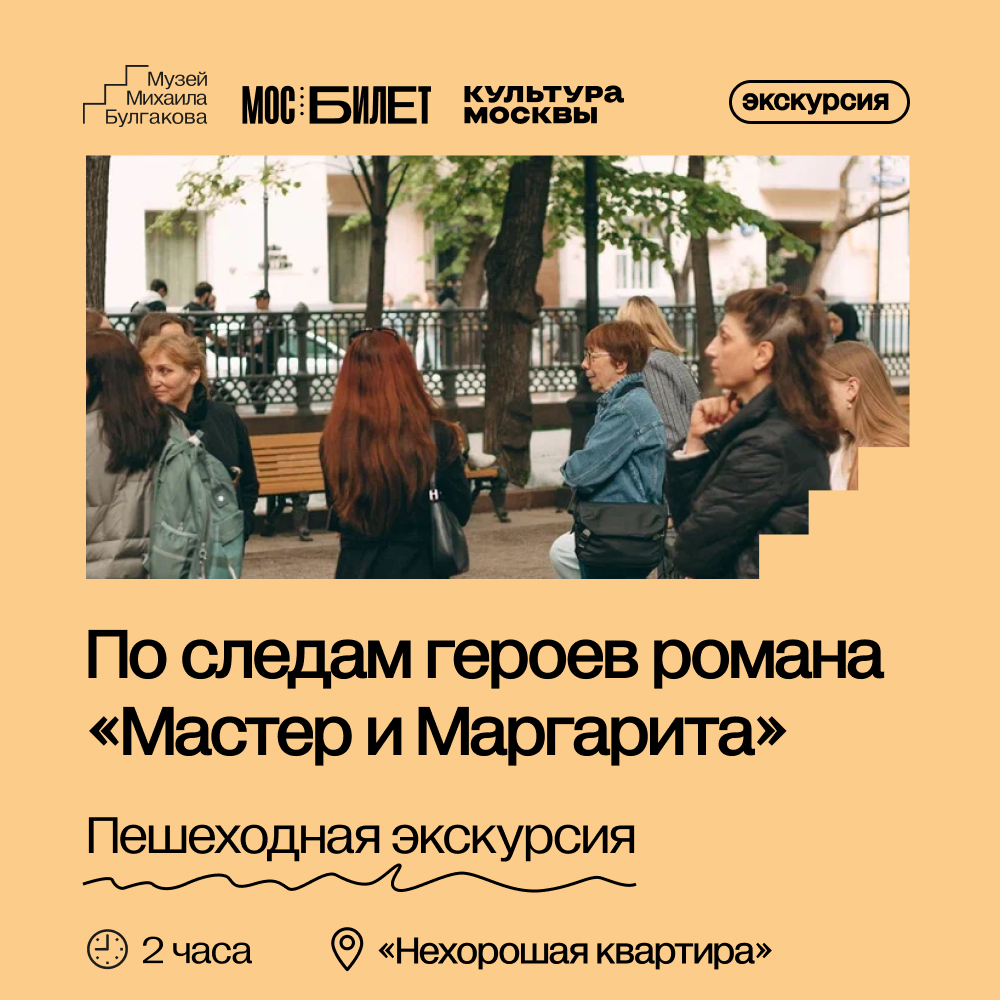
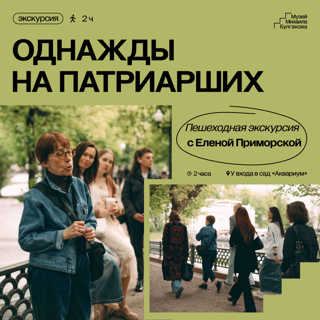
Daily life in Moscow in the 1920s and 1930s plays an important role in the multi-layered novel, The Master and Margarita — it is not simply a background for the fantastical events and the characters’ unusual adventures. The novel, addressed to Bulgakov’s contemporaries, describes the lives of Muscovites in detail, with the arguments arising in communal flats, the issue of flats, the spy scare, the invisible but tangible atmosphere of the Great Terror and so on. The events of the novel take over the entire centre of Moscow, and Bulgakov was almost always very precise in the details – the exceptions include only a few addresses (Margarita’s house, the Dramlit house, Stravinsky’s clinic etc.). Bulgakov’s contemporaries would easily recognize their city in the other details, had the novel been printed at that time. Since then, the city has changed a lot – some houses have been demolished, some have been rebuilt unrecognizably, but through the layers, it is possible to glimpse Bulgakov’s Moscow. Following in the footsteps of Bulgakov’s characters, you can feel Ivan Bezdomny’s horror after the death of Berlioz at Patriarch’s Ponds, his desperation in Herzen’s house, the scale of Satan’s ball in Spaso House, the eccentricity of Behemoth’s antics in the Torgsin on Arbat, and much more. The route begins at the Aquarium Garden, not far from Woland’s ‘unpleasant flat’, runs across Tverskoy Boulevard, takes in the lanes around Arbat and ends at the Alexandrovsky Garden, where Azazello and Margarita met.
First address
- Stop 2
- 2,1 km
- 1 h
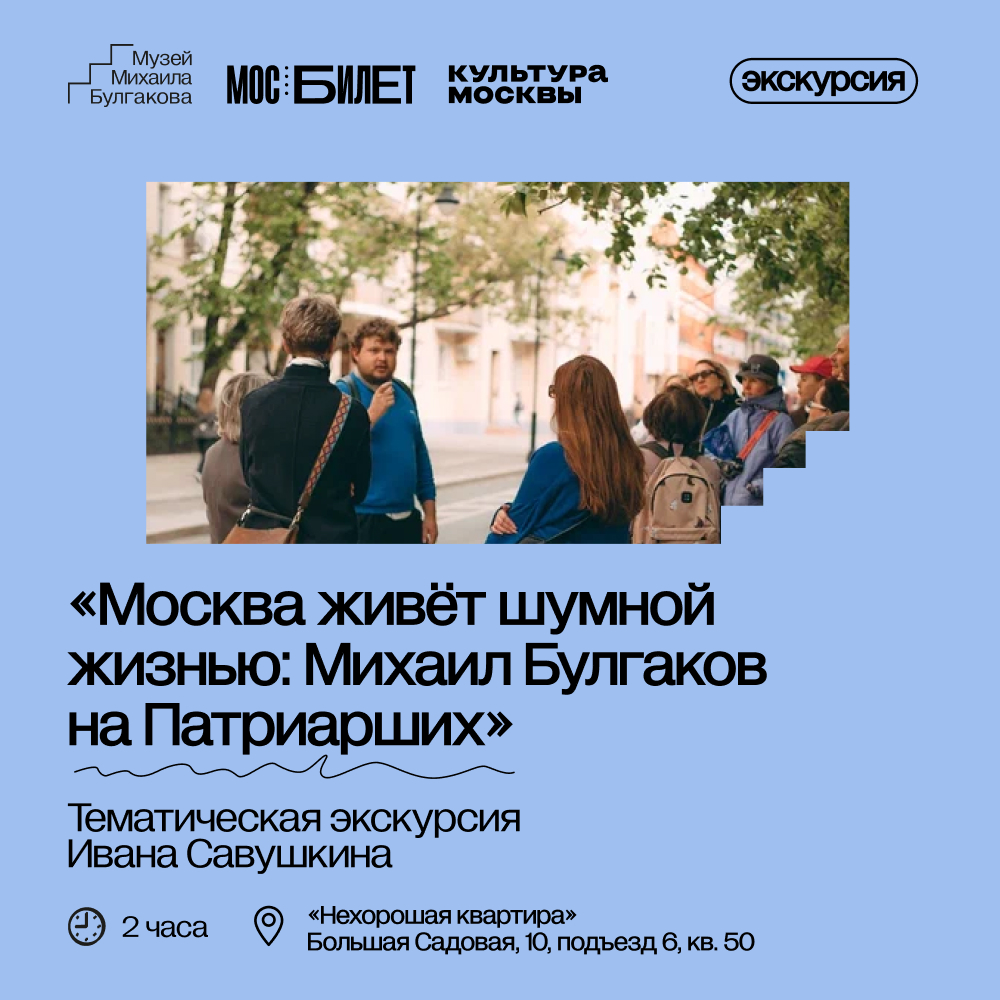
The route encompasses sites of literary and biographical significance in the life of Bulgakov, centred around the environs of Patriarch’s Ponds. \tAt the end of September 1921, Bulgakov arrived in Moscow with the intention of becoming a writer – his first address was flat 50 in house 10 on Bolshaya Sadovaya Street. Bulgakov’s first three years in Moscow were closely connected with the region around the Patriarch’s Ponds. The Patriarch’s Ponds are not only important in Bulgakov’s biography, but also in his works – this is where the events of The Master and Margarita begin. In the novel, Woland and his retinue live on Bolshaya Sadovaya, the characters in the tale The Spiritual Séance inhabit 32 Malaya Bronnaya, and so on.