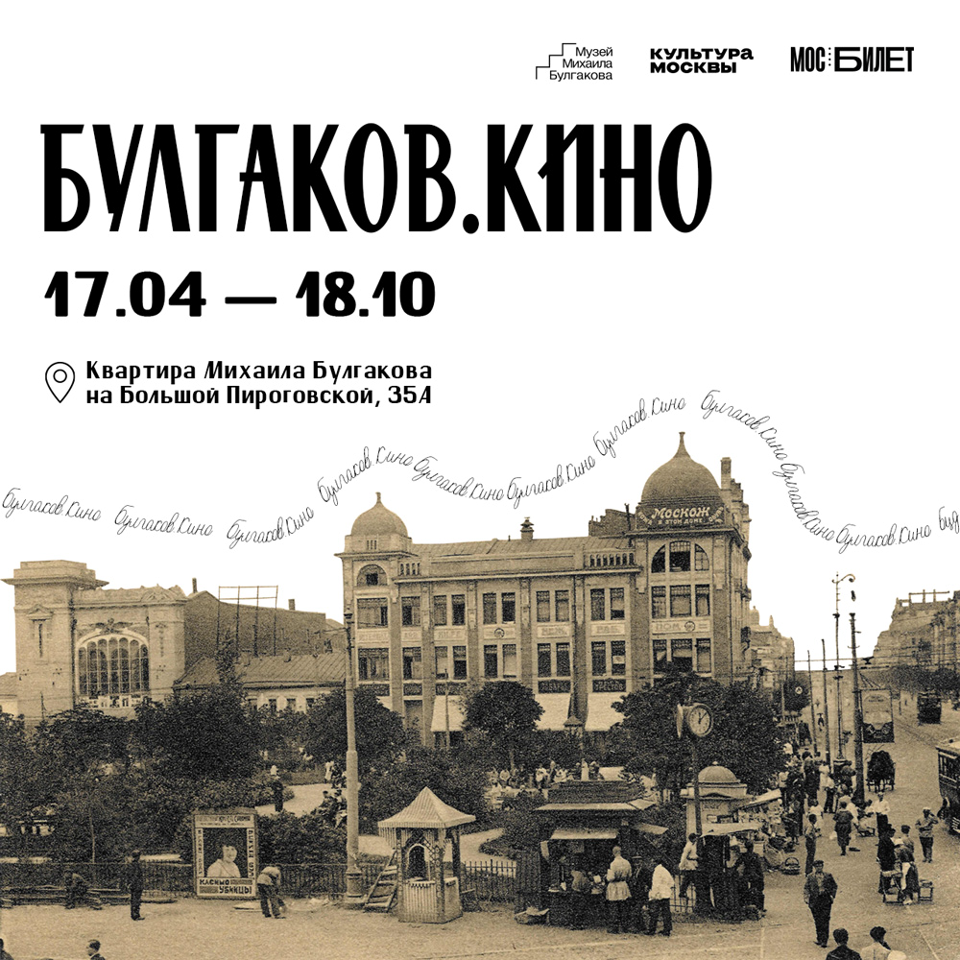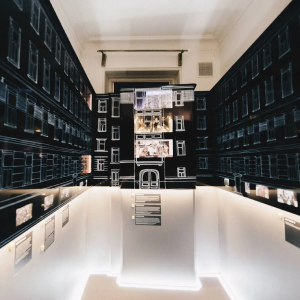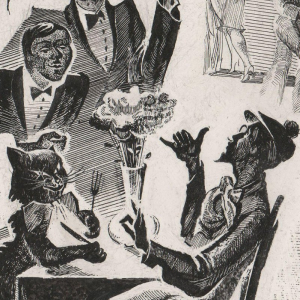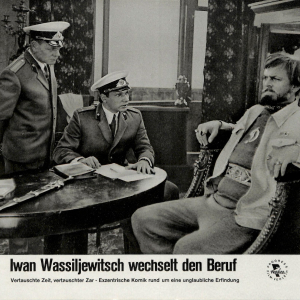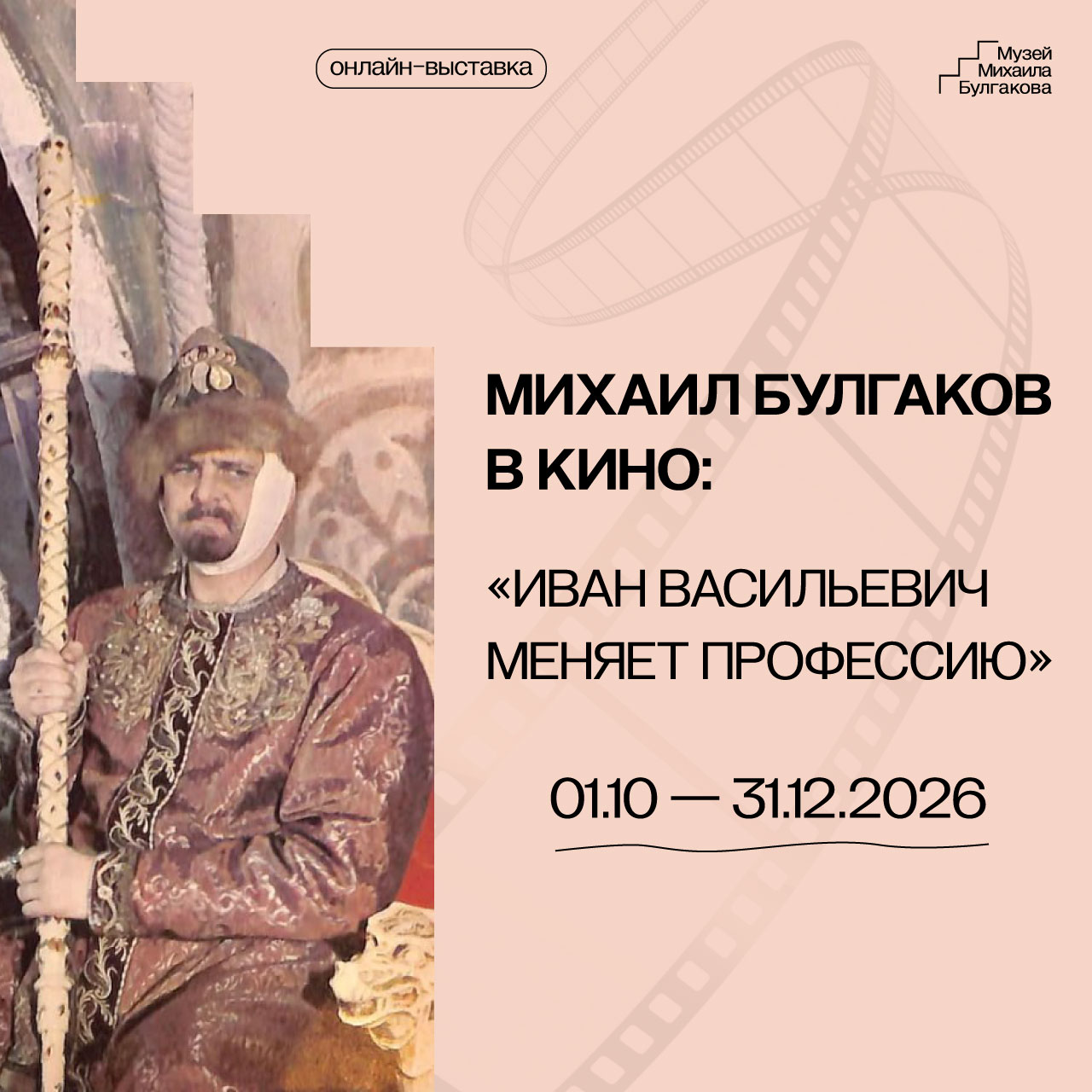


In 1934, Bulgakov signed an agreement with the Theatre of Satire on the play Beatitude, which was subsequently reworked into the comedy Ivan Vasilevich (adapted for screen in 1973 by L. Gaidai). At that time, the Theatre of Satire stood on the opposite side of the square. In 1974, the old theatre building was demolished.
The fantastic dual work of Beatitude and Ivan Vasilevich was written by Bulgakov from 1929 to 1935. According to the writer’s third wife, Elena Bulgakova, the comedy about Moscow in the year 2222 did not impress the artists at the Theatre of Satire: ‘1934. On 25th April, Mikhail read Beatitude in the Satire Theatre. The reading was flat. They want it to be changed… They have some kind of funny play with Ivan the Terrible in mind.’ At the end of 1935, the artists at the Theatre of Satire were much more enthusiastic about the play Ivan Vasilevich, and after the Main Repertoire Committee gave its approval, rehearsals began. However, the waves around the prohibition of The Cabal of Hypocrites and the anti-Bulgakov campaign in the press caught up with Ivan Vasilevich — E. Bulgakova recalled sensing the theatre’s reluctance to stage the comedy at the rehearsals. On 13th May 1936, the show was banned after the full-dress rehearsal — at the end of the rehearsal, Veniamin Furer (Head of the Department of Cultural Enlightenment of the Moscow Committee of the All-Union Communist Party) gave some laconic advice: ‘I would not advise you to put it on’.
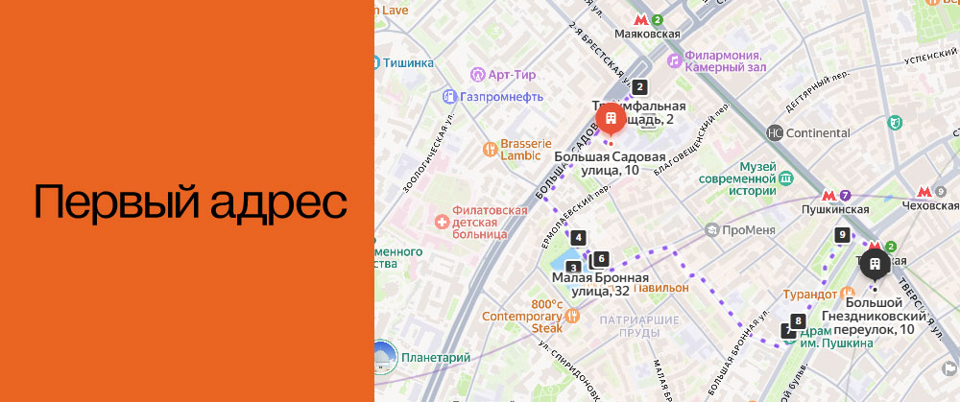
Point on the map
This map shows where the address sits and how it is tied into the project routes.
Routes
This point belongs to one or more routes. Open them as sequential walks rather than isolated cards.
First address
- Stop 3
- 2,1 km
- 1 h
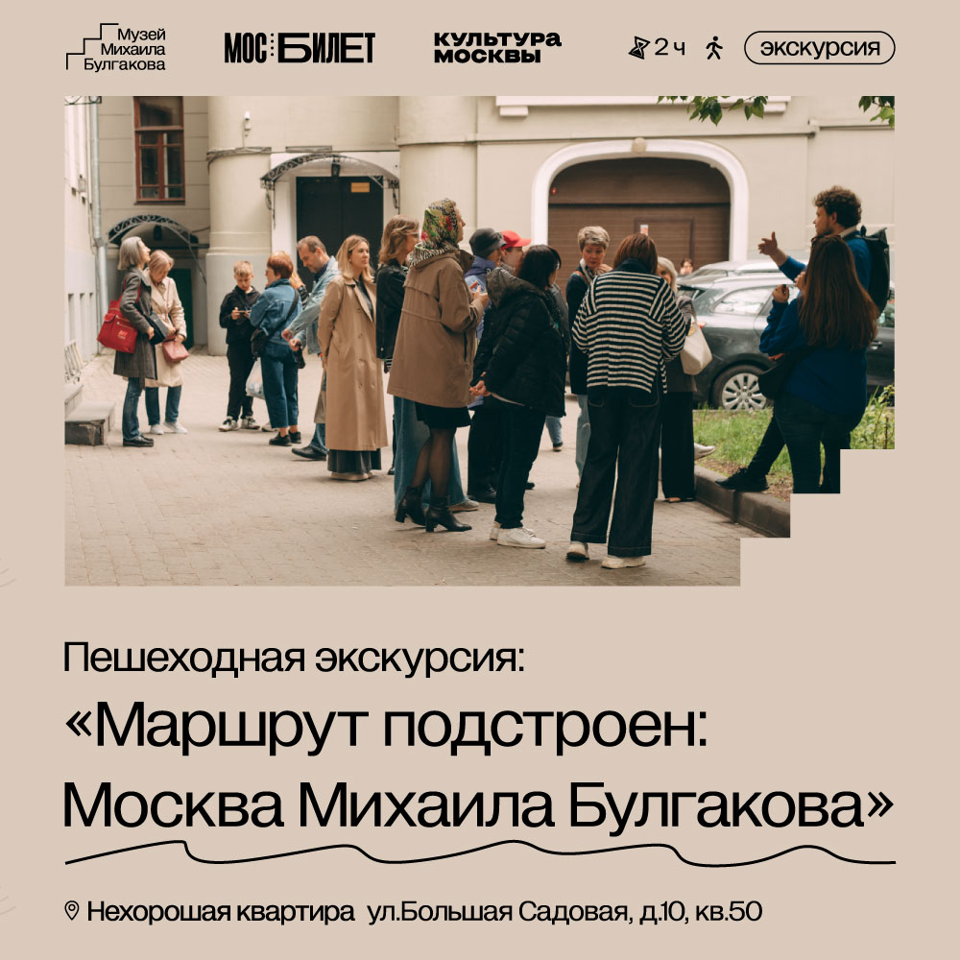
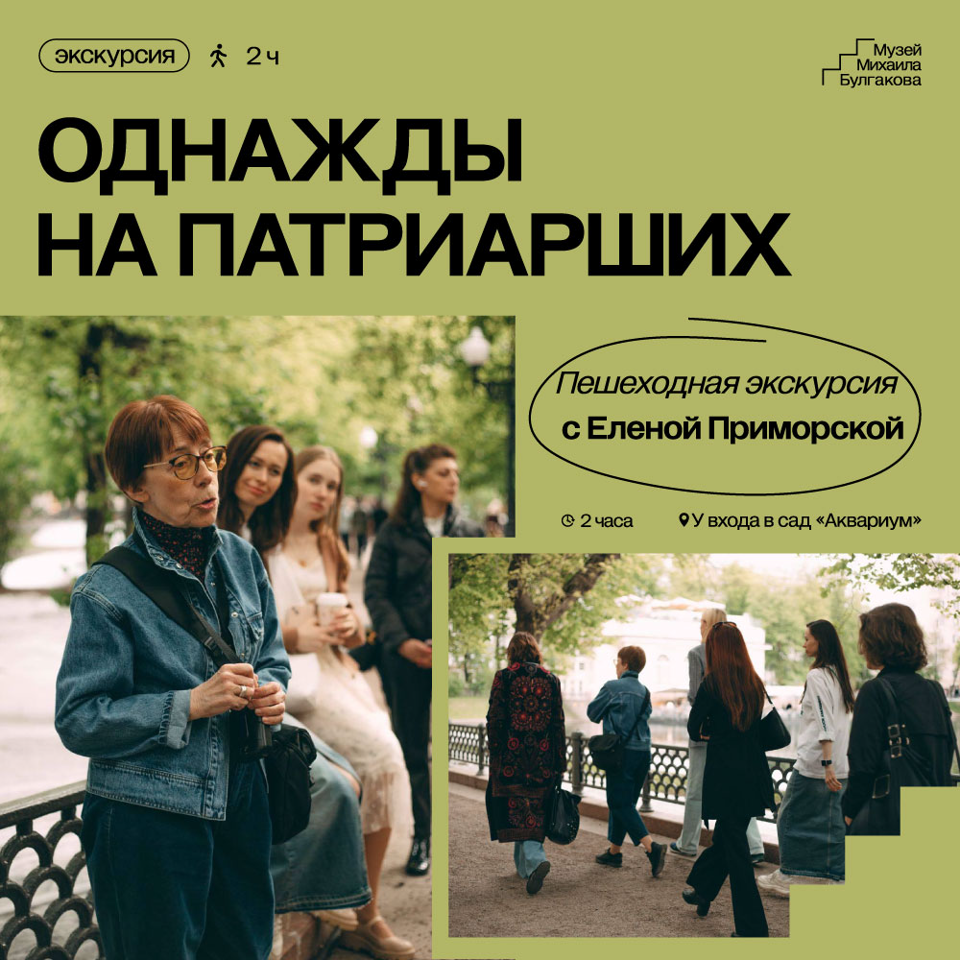
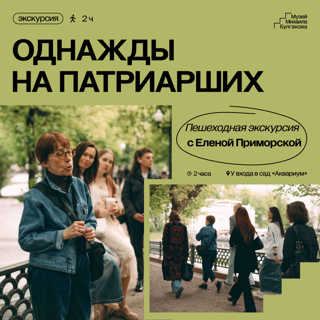
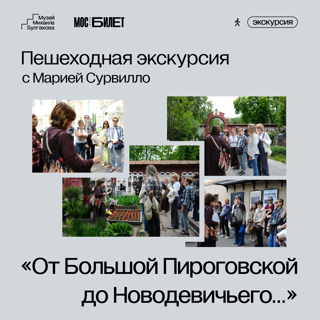
The route encompasses sites of literary and biographical significance in the life of Bulgakov, centred around the environs of Patriarch’s Ponds. \tAt the end of September 1921, Bulgakov arrived in Moscow with the intention of becoming a writer – his first address was flat 50 in house 10 on Bolshaya Sadovaya Street. Bulgakov’s first three years in Moscow were closely connected with the region around the Patriarch’s Ponds. The Patriarch’s Ponds are not only important in Bulgakov’s biography, but also in his works – this is where the events of The Master and Margarita begin. In the novel, Woland and his retinue live on Bolshaya Sadovaya, the characters in the tale The Spiritual Séance inhabit 32 Malaya Bronnaya, and so on.